
The world of boating has undergone a remarkable transformation over the centuries. From rudimentary wooden vessels to today’s sleek, high-tech marvels, the evolution of modern boat design is a testament to human ingenuity and innovation. This article explores the key milestones and trends that have shaped the way boats are designed, blending functionality, safety, and aesthetics in ways that were unimaginable just decades ago.
The Early Days of Boat Design
Boatbuilding began thousands of years ago, with early civilizations crafting simple vessels to navigate rivers, lakes, and seas. Ancient Egyptians used reed boats for fishing and transportation, while the Vikings are renowned for their robust wooden longships, capable of traversing open seas.
These early boats prioritized utility over comfort or speed. Materials like wood and animal skins dominated construction, and designs were often dictated by available resources rather than aerodynamic principles. Despite their simplicity, these boats laid the groundwork for advancements in marine architecture.
The Age of Exploration and Innovation
The 15th and 16th centuries marked a turning point in boat design, as European explorers ventured across oceans to discover new lands. Ships like the Portuguese caravel were revolutionary, featuring lateen sails for greater maneuverability and cargo space for long journeys.
During this era, the focus shifted to creating vessels capable of enduring months at sea. Advances in navigation tools and hull designs allowed ships to travel faster and withstand harsher conditions. This period of innovation laid the foundation for the modern concepts of stability and seaworthiness.
The Industrial Revolution’s Impact
The Industrial Revolution brought about significant changes in boat design. Iron and steel replaced wood as primary construction materials, and the invention of steam engines revolutionized propulsion systems. Paddle steamers and ironclad warships showcased the potential of these new technologies.
The use of mechanical propulsion eliminated reliance on wind, making travel faster and more reliable. Additionally, the integration of advanced engineering principles allowed for greater experimentation in hull shapes, leading to increased efficiency and stability.
Modern Innovations in Boat Design
Today’s boat designs reflect a harmonious blend of tradition and cutting-edge technology. Here are some of the most notable advancements shaping the modern boating industry:
Lightweight Materials
Modern boats often utilize composite materials like fiberglass and carbon fiber, which offer strength and durability without adding unnecessary weight. These materials improve fuel efficiency and performance, making them ideal for recreational and competitive vessels alike.
Hydrodynamic Hulls
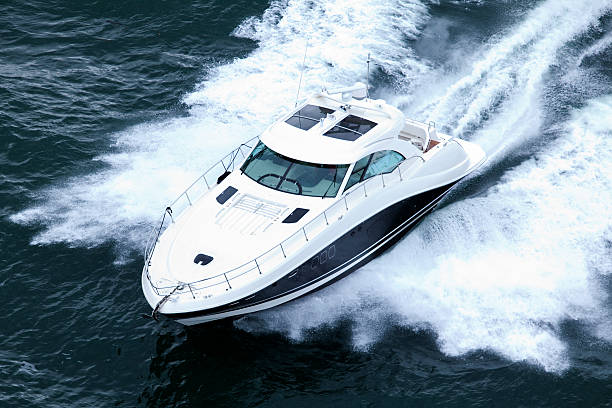
Computer-aided design (CAD) technology has enabled designers to create hydrodynamic hulls that minimize drag and maximize speed. These innovations are particularly evident in racing yachts and high-speed motorboats.
Sustainable Design
As environmental concerns grow, boat manufacturers are focusing on sustainable practices. Electric and hybrid propulsion systems, solar panels, and biodegradable materials are becoming increasingly common, reducing the environmental footprint of boating.
Smart Technology
The integration of smart systems has transformed the boating experience. Features like GPS navigation, autopilot, and real-time performance monitoring enhance safety and convenience, appealing to seasoned sailors and beginners alike.
The Future of Boat Design
The future of boat design promises even more exciting developments. Autonomous vessels are already being tested, and advances in renewable energy could make fully solar-powered boats a reality. Designers are also exploring modular designs, allowing owners to customize their boats to suit specific needs.
Moreover, artificial intelligence (AI) and machine learning could revolutionize how boats are maintained and operated. Predictive maintenance systems, for example, can identify potential issues before they become problems, ensuring safer and more efficient voyages.
Why Boat Design Matters
The evolution of modern boat design is not just about aesthetics or speed. It’s about creating vessels that meet the diverse needs of today’s boaters, from leisure seekers to professional mariners. Innovations in design contribute to safety, sustainability, and the overall enjoyment of life on the water.
As we look to the future, it’s clear that the journey of boat design is far from over. With each new advancement, the boating experience becomes more accessible, enjoyable, and aligned with the values of a changing world.
Looking For Experts?
Looking for a boat that combines modern design with unmatched performance? Fly Yachts has you covered. Discover a wide range of premium vessels perfect for every adventure.
Fly Yachts
Website: www.flyyachts.com
Contact: 954-633-4878
Address: 130 SE 29th Street, Fort Lauderdale, Florida 33301
Explore the future of boating today with Fly Yachts!